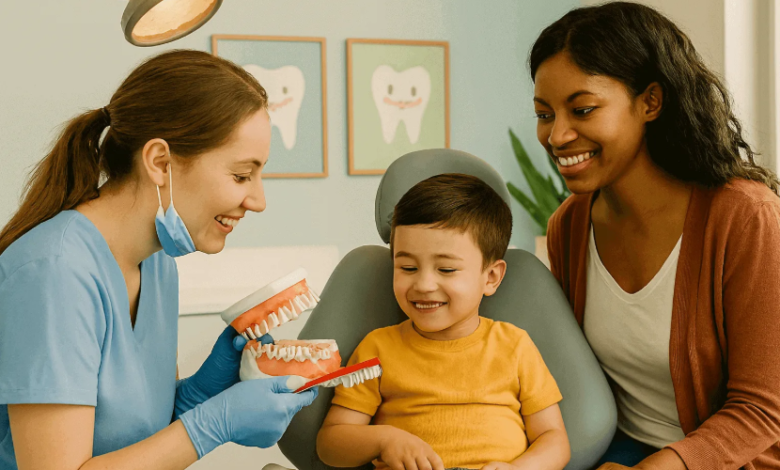
Healthy teeth shape how your child eats, speaks, sleeps, and smiles. Early care is not extra. It is basic health care. A family dentist watches your child grow and spots problems before they hurt. You get one place for baby teeth, mixed teeth, and teen teeth. You also get one team that knows your child’s fears, habits, and health history. That history matters when your child needs sealants, fillings, or an orthodontics dentist in Joliet, IL. Regular visits teach your child that the dental chair is a safe place, not a punishment. They also teach you how to handle thumb sucking, grinding, sugar, and sports injuries. This blog shares six clear ways family dentistry supports your child’s body, mind, and confidence. You will see how steady care today protects your child from pain, infection, missed school, and high bills later.
1. You Catch Problems Early While They Are Small
Tooth decay is common in children. It can spread fast. Early decay can be hard to see at home. A family dentist checks every surface, every time. You get early treatment that is simple and less scary.
- Regular exams find soft spots before they turn into deep cavities.
- X-rays show problems between teeth and under the gums.
- Cleanings remove plaque and tartar that brushing misses.
The Centers for Disease Control and Prevention shows that untreated cavities cause pain and missed school days. When you stay on schedule, your child avoids many of those problems. You also avoid urgent visits that cause fear and strain your budget.
2. You Support Speech, Chewing, and Face Growth
Teeth do more than chew. They guide how the jaws grow and how sounds form. Baby teeth hold space for adult teeth. When they stay healthy and in place, your child’s face grows in a steady pattern.
- Healthy baby teeth help your child chew a wide range of foods.
- Straight, well-spaced teeth make it easier to form clear words.
- Balanced jaws support the lips and cheeks.
The National Institute of Dental and Craniofacial Research explains that mouth health is linked to eating and growth. A family dentist watches how your child bites, swallows, and moves the jaw. You get clear advice when something looks off, so you act before patterns harden.
3. You Build Strong Habits That Last For Life
Habits you set in childhood often stay. When your child learns simple routines at home and in the dental chair, you give them tools for adult life.
- Twice a day brushing with fluoride toothpaste.
- Daily flossing once teeth touch.
- Water as the main drink, not sugary drinks.
A family dentist repeats these steps at every visit. Your child hears the same message from you and from the care team. That steady voice removes confusion. It also gives your child a sense of control. They see that clean teeth are not luck. Clean teeth are the result of small daily choices.
Home Care Habits And Their Impact
| Habit | How Often | Main Benefit For Kids |
|---|---|---|
| Brushing with fluoride toothpaste | 2 times per day | Reduces cavities and keeps breath fresh |
| Flossing between teeth | 1 time per day | Cleans tight spaces that brushes miss |
| Drinking tap water | All day choice | Supports teeth when water has fluoride |
| Dental checkups and cleanings | Every 6 months or as advised | Finds problems early and reduces fear |
4. You Reduce Fear And Build Trust In Health Care
Many adults carry deep fear from rough or rushed visits as children. You can break that pattern. A family dentist who sees your whole family can shape a calmer story.
- Your child watches you sit in the chair and stay calm.
- The staff greets your child by name and remembers their worries.
- Visits follow a routine, so nothing feels like a surprise.
Each visit becomes practice. Your child learns to ask questions and say when something hurts. That skill carries into medical visits, school meetings, and later work life. Your child learns that speaking up is safe.
See also: How Tuambia Alimentos Helps People Make Informed Food Decisions
5. You Guide Growth With Timely Orthodontic Advice
Crooked teeth and bite problems often start early. They can affect chewing, speech, and self-image. A family dentist tracks jaw and tooth growth at every stage.
- They notice crowding, crossbites, or open bites as they form.
- They may suggest simple early steps, such as space maintainers.
- They refer you to an orthodontic dentist in Joliet, IL, or your local specialist at the right time.
Early guidance can shorten or simplify braces later. In some cases, it can prevent severe pain or jaw strain in the teen years. You do not need to guess about timing. You get clear, steady advice from someone who knows your child well.
6. You Protect Your Child’s Whole Body Health
Mouth health connects to the rest of the body. Infections in the mouth can affect eating, sleep, and focus. Pain can raise stress and lower school performance. A family dentist helps you protect more than teeth.
- Fluoride treatments and sealants lower the risk of deep decay.
- Checks for sores, swelling, and signs of grinding support sleep.
- Sports mouthguards protect teeth and reduce injury risk.
When your child eats well, sleeps well, and feels safe to smile, their body can grow with less strain. You also spend less time in urgent care and more time in school, work, and play.
Taking The Next Step For Your Family
You do not need perfect teeth to start. You only need a first visit. Choose a family dentist who welcomes questions and explains each step. Set regular checkups. Stay with the plan, even when life feels busy.
Every clean tooth, every calm visit, and every honest talk in that chair shapes your child’s future. You are not just fixing teeth. You are building strength, courage, and health that can carry your child through every stage of life.