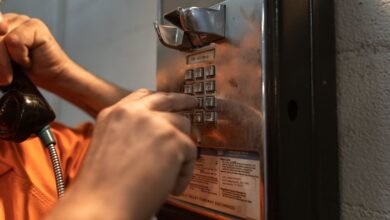
Unknown Caller Information Report: 6629125179292, 965272287, 604132803, 651007604, 912918890, 633210739, 933961073, 943124280, 919613170 & 1171060148

Unknown caller data include a mix of numbers that may be spoofed or unlisted and others that are merely unfamiliar. The report suggests a structured verification approach and highlights the limits of caller IDs. The tension lies in differentiating benign contacts from nuisance calls while respecting privacy and regulatory options. A methodical assessment is needed to determine which signals merit action and which do not, leaving the question open for further scrutiny and policy implications.
What Do These Unknown Numbers Mean?
Unknown numbers appearing on a caller ID can carry varying implications for the recipient. The analysis identifies unknown numbers as potential indicators of spoofing tracing attempts, caller misrepresentation, or legitimate, unlisted contacts. Data privacy considerations frame assessment, while regulatory actions may constrain misuse. The objective is disciplined clarity: categorize signals, assess risk, and support informed decisions without exposing sensitive details.
How Call Spoofing and Tracing Work in Practice
How do call spoofing and tracing operate in practice? The analysis outlines mechanisms, sequence flows, and countermeasures. In practice, spoofing exploits signaling vulnerabilities and caller ID manipulation, while tracing relies on metadata, carrier cooperation, and lawful intercept tools. Two word discussion idea, two word discussion idea, remains central: risk assessment. The evaluation emphasizes transparent processes, auditable logs, and disciplined attribution within defined ethical frameworks.
Verifying Legitimacy: Steps You Can Take Today
To verify legitimacy in real time, individuals should implement a structured, stepwise approach that combines identification checks, source validation, and corroborating evidence.
The process emphasizes verification steps that minimize uncertainty, including cross-referencing numbers with trusted directories, analyzing call context, and documenting anomalies.
It cautions about call spoofing while maintaining analytical rigor and empowering informed decisions for autonomous, freedom-minded readers.
What Carriers and Authorities Are Doing Now to Curb Nuisance Calls
Regulators and industry players have intensified coordination to reduce nuisance calls by integrating advanced authentication, tracing, and caller-ID protocols. Agencies and carriers pursue spam mitigation through standardized spectra of verification, signaling, and risk scoring, enabling rapid blocking and redirection.
Authorities emphasize interoperable caller authentication, evolving trust anchors, and real-time cooperation, balancing consumer freedom with accountability, transparency, and scalable, privacy-conscious enforcement.
Frequently Asked Questions
Do These Numbers Indicate Fraud or Legitimate Organizations?
Unknown Caller numbers cannot be definitively labeled as fraud or legitimate; however, patterns of Regional Spoofing and suspicious activity warrant caution. Fraud Alert should be considered; pursuing Legal Remedies may be appropriate to address abuses.
How Can I Block Specific Unknown Numbers Effectively?
Blocking unknown numbers is feasible via your phone’s built‑in features or carrier tools; implement a block sequence, enable caller verification, and apply persistent filters. This methodical approach preserves freedom while preventing unwanted calls.
Are There Regional Patterns in Spoofed Calls Here?
Regional patterns in spoofed calls exist, with clusters aligning to time zones and carrier footprints. The analysis indicates higher incident rates during business hours in specific corridors, suggesting operational focus rather than random dispersion.
Can I Recover Costs From Spam Calls or Scams?
Dramatically they fail to vanish; victims may pursue financial loss recovery and assert consumer rights, though success depends on jurisdiction, evidence, and timely action. The analysis notes impediments and outlines methodical steps for potential remedies.
What Legal Actions Exist Against Abusive Callers?
Abusive callers face legal remedies through regulators and civil actions; pursue abuse reporting, monitor regional spoofing, analyze scam patterns, and seek call blocking protections, potentially enabling cost recovery through settlements or court-ordered restitution.
Conclusion
Unknown Caller Information Report highlights a heterogeneous mix of signals—spoofed, unlisted, and unfamiliar numbers demand careful, methodical scrutiny. Through cross-checking directories, contextual call analysis, and corroborating signals, legitimacy can be verified or anomalies logged for auditability. Carrier tracing, privacy-preserving blocking, and regulator-backed remedies are essential allies in mitigation. A disciplined, data-driven approach reduces risk, preserves privacy, and prompts prompt, prudent action. Conclusion: meticulous, measurable methodologies maximize clarity, curb nuisance calls, and cultivate confident communications.