Uncover Unknown Callers With This Phone Record Analysis: 692658952, 911118290, 900622200, 63030301987022, 638444536, 5550686742, 3517247010, 607100199, 662991332 & 917377773

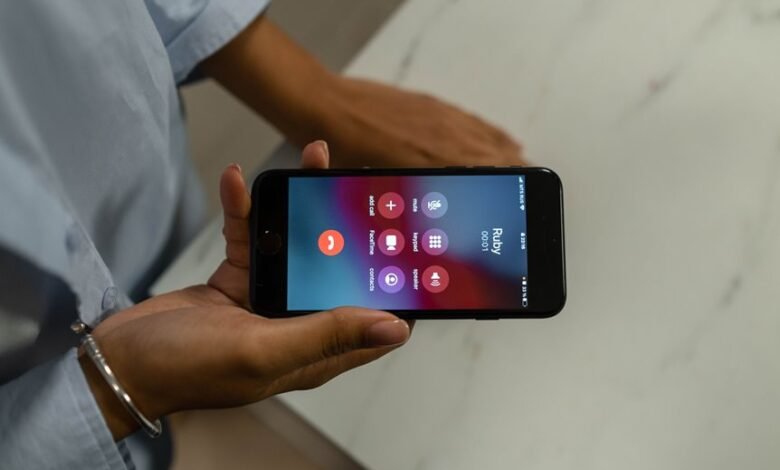
The discussion centers on a structured phone record analysis to identify unknown callers, using identifiers like 692658952 and 911118290 as case anchors. It adopts a detached, analytical stance with methodical steps: cataloging frequencies, destinations, and call durations, then applying objective benchmarks to flag anomalies. The approach emphasizes privacy safeguards and reproducible scoring. The outcome hinges on clear next steps and practical implications, leaving a hinge moment that invites further scrutiny and refinement.
What Phone Record Analysis Reveals About Unknown Callers
Phone record analysis serves as a structured approach to identifying unknown callers by examining metadata and patterns embedded in call logs.
The method reveals how unknown callers relate to schedules, frequency, and destinations, enabling targeted inference without intrusion.
Through systematic comparison of call patterns, analysts distinguish legitimate activity from anomalous behavior, clarifying intent and improving response strategies while preserving user autonomy and operational clarity.
Spotting Red Flags: Patterns in Numbers, Timestamps, and Durations
The analysis moves from general caller linkage to a focused examination of red flags by scrutinizing numeric patterns, time stamps, and call durations.
The approach identifies anonymous patterns within call metadata, detecting irregular intervals, repeating sequences, and anomalous peak hours.
Methodical evaluation, cross-referencing cross-border numbers and spoofed identifiers, reveals inconsistencies that challenge conventional attribution while preserving analytical rigor and clarity for freedom-minded readers.
A Practical, Data-Driven Method to Identify Legitimate vs Dubious Calls
A data-driven framework for distinguishing legitimate from dubious calls integrates structured metadata analysis with empirical thresholds to achieve reproducible outcomes.
The method evaluates unknown callers through objective features, z-scores, and benchmarked baselines, avoiding bias.
A transparent scoring model aggregates evidence into a final verdict, enabling reproducible decisions.
Data driven criteria emphasize reproducibility, traceability, and disciplined risk assessment without overclaiming certainty.
Protecting Your Privacy: Tools, Best Practices, and Next Steps
Protecting privacy requires a structured approach that combines practical tools with disciplined best practices.
The section analyzes effective privacy tools, emphasizing proactive data practices, minimal data exposure, and verifiable ethics compliance.
It outlines steps to enhance security awareness, including routine audits, transparent consent, and secure communication.
It also clarifies tradeoffs between convenience and privacy, guiding informed, freedom-centered choices.
Frequently Asked Questions
How Accurate Is Caller ID Spoofing Detection?
Caller ID spoofing detection accuracy varies; no universal rate applies. Methods leverage call signaling, timing, and metadata, with privacy policy and data retention considerations shaping efficacy. Analytical evaluation favors layered checks, robust privacy protections, and ongoing calibration for spoofing.
Can I Trace Calls Across International Networks?
Akin to navigating a vast ocean, tracing calls across borders is complex and constrained; it depends on legal frameworks, network cooperation, and privacy safeguards. The process analyzes trace data while respecting cross border privacy and compliance.
Do Call Records Reveal Subscriber Location Data?
Call records may reveal limited subscriber location data through call metadata, though precise positioning is often unavailable; analysts emphasize location privacy and advocate rigorous safeguards, transparency, and user rights while evaluating data provenance and access controls.
Are There Legal Limits to Analyzing Call Metadata?
Legal limits exist; jurisdictions impose safeguards on call metadata analysis, emphasizing proportionality and transparency. Privacy policy and data minimization principles guide practice, ensuring purpose limitation, consent where required, and ongoing lawful retention assessments for analytics.
What Steps Ensure Data Anonymization and Safe Storage?
Data anonymization relies on data minimization and strict access controls, ensuring only essential data is processed, safeguards are in place, and storage is encrypted; ongoing audits verify no unnecessary data persists, and breach response plans are tested regularly.
Conclusion
Conclusion: The analysis demonstrates that structured call metadata—frequencies, destinations, timings, and durations—can differentiate routine activity from anomalies without exposing content. By applying objective benchmarks and transparent scoring, legitimate patterns emerge while suspicious activity is flagged for review. As the adage goes, “measure twice, cut once,” ensuring that decisions are reproducible and privacy-preserving before any action or escalation.