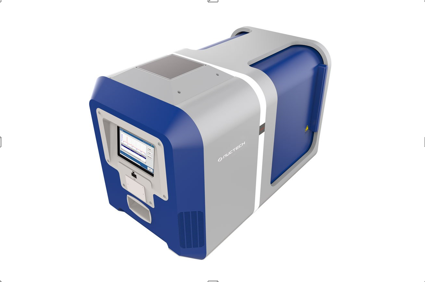
Ever wonder how today’s security systems get so good at sniffing out threats? It’s all about the sensors, folks. Cutting-edge sensors are now at the heart of modern security systems, making them more efficient and reliable than ever before. These sensors can detect hazardous materials faster than you can say “safety first.” No kidding. The technology behind these sensors is nothing short of extraordinary.
Take, for instance, the explosive detection system and narcotics trace detectors out there. They use something called Ion Mobility Spectrometry (IMS). Sounds fancy, right? This tech is super sensitive and can pick up even the tiniest traces of dangerous substances. Imagine trying to find a needle in a haystack but with a magnet that only attracts needles. That’s IMS for you. And it’s not just about detecting; it’s about identifying what those traces are. That’s double the security in half the time.
But wait, there’s more! (Yes, like those infomercials.) The Internet of Things (IoT) is also playing a huge role here. IoT connects these sensors to a network, making them smarter and more efficient. It’s like giving them a brain and a set of eyes that can see everything happening in real-time. So, if there’s something fishy going on, these sensors can alert security personnel immediately. It’s like having a virtual watchdog that never sleeps.
Ai and machine learning make detection smarter
Now, let’s talk about AI and machine learning. Oh boy, where to start? These buzzwords are everywhere these days, but when it comes to security, they’re not just hype—they’re game-changers. AI and machine learning algorithms can analyze vast amounts of data in seconds. Think about it: humans can only process so much information at once. But AI? It’s like having a super-intelligent assistant who never takes a coffee break.
These algorithms can learn from past data to recognize patterns and anomalies. Imagine a system that gets better over time—like fine wine but for security. If something unusual pops up, the system flags it immediately. It’s like having an extra layer of scrutiny that’s always on its A-game. Plus, these systems are self-improving. The more data they process, the smarter they get. It’s almost spooky how good they are at picking out the bad apples.
And let’s not forget facial recognition tech powered by AI. This stuff is straight out of sci-fi movies. These systems can scan and identify faces in crowded places within seconds. Airports, concerts, public events—you name it, facial recognition is making them safer. It’s not just about catching the bad guys; it’s also about ensuring that everyone else is safe and sound.
Drones and robotics step up the safety game
Drones and robotics are stepping up the safety game in ways we couldn’t have imagined a few years ago. These flying and rolling machines are now integral parts of security protocols around the world. Picture this: drones patrolling large areas from the sky, equipped with high-definition cameras and sensors that can detect radiation or other hazardous materials. They’re like flying guardians keeping an eye on everything from above.
Robotics on the ground are no less impressive. These machines can go places humans can’t—or shouldn’t—go. Think about bomb disposal robots or those used to inspect suspicious packages. Equipped with advanced sensors and AI-driven decision-making capabilities, these robots can assess risks and even neutralize threats without putting human lives in danger. It’s like having a dedicated team of superheroes that never need sleep or food breaks.
But it’s not just about emergency situations. Drones and robots are also used for routine surveillance and monitoring tasks. They can cover large areas in a fraction of the time it would take human patrols, providing constant vigilance without any downtime. Whether it’s a crowded concert or an empty factory floor at night, these robotic assistants ensure that every corner is under watchful eyes (or sensors).
Portable tech for on-the-go security
Portable tech has revolutionized on-the-go security in ways that were previously unimaginable. Imagine handheld devices that can detect explosives or narcotics with just a quick scan—no more waiting for lab results or second-guessing your safety measures. These compact gadgets bring high-level security wherever you need it, making them perfect for checkpoints, public events, and even random spot checks.
The beauty of portable tech lies in its convenience without compromising effectiveness. Handheld rad detectormonitors and trace detectors are small enough to be carried around easily but pack a punch when it comes to their capabilities. They use advanced technologies like Ion Mobility Spectrometry and Raman Spectroscopy to provide quick, accurate results on-site. No hassle, no delays—just immediate insights into potential threats.
Let’s face it; today’s world demands flexibility in security measures. Portable tech answers that call by being adaptable to various environments and situations. Whether you’re at an airport or a border checkpoint, these devices ensure that security protocols are robust yet nimble enough to handle dynamic scenarios efficiently.
See also: Technical Assessment of 6198469740, 6232368507, 6232506295, 6264996775, 6265175032, 6265386001
Real-time data keeps everyone informed
In today’s fast-paced world, real-time data is king—especially when it comes to security. Systems that provide immediate updates and alerts make all the difference between staying one step ahead or falling behind potential threats. Real-time data allows for quick decision-making, ensuring that any risks are addressed promptly before they escalate into serious issues.
Imagine a network where every sensor, drone, robot, and handheld device communicates seamlessly with each other and central command centers. This interconnected web provides constant streams of data that offer a comprehensive view of the security landscape at any given moment. If something unusual happens—be it a spike in radiation levels or an unidentified object detected by drones—the system flags it instantly for further investigation.
This level of connectivity ensures that everyone involved in maintaining safety stays informed and coordinated effectively. From frontline security personnel to management teams overseeing operations remotely—everyone gets real-time insights allowing them to act swiftly based on accurate information rather than guesswork or outdated reports.