For most homeowners, pool maintenance ranks among the most tedious household responsibilities. Between skimming debris, scrubbing walls, and vacuuming floors, keeping a pool sparkling clean demands hours of effort each week. Even those who invest in automated cleaners often face a recurring frustration: the machine runs out of power before finishing the job. A half-cleaned pool means recharging, restarting, and babysitting equipment that was supposed to simplify your life. This raises a fundamental question—what makes runtime the single most critical factor in achieving truly effortless pool cleaning? A cleaner that can complete an entire cycle without interruption eliminates the need for manual intervention, turning maintenance from a chore into a background task. The industry has responded with increasingly sophisticated robotic and cordless solutions designed to maximize operational time while delivering thorough results. This article explores how runtime performance separates the best pool cleaner from the rest, helping you identify the ideal solution for your specific needs.
The Critical Role of Pool Cleaning Runtime in Efficiency
Pool cleaning runtime refers to the total duration a cleaner can operate continuously on a single charge or cycle before requiring intervention. For homeowners, this metric directly determines whether a machine can finish the job independently or leave sections untouched. When runtime falls short of what your pool demands, the consequences compound quickly. Partial cleaning cycles allow algae to establish footholds in missed corners, force you to manually address remaining debris, and ultimately shorten equipment lifespan through repeated start-stop cycles that strain motors and batteries.
The financial impact of inadequate runtime extends beyond the obvious. Running a cleaner multiple times to cover the same area increases energy consumption, accelerates wear on filtration components, and may require more frequent chemical treatments to compensate for inconsistent surface coverage. Over a single season, these inefficiencies can add hundreds of dollars in unnecessary costs.
Conversely, a cleaner with optimal runtime transforms pool ownership. When the machine can navigate your entire pool floor, walls, and waterline in one uninterrupted session, debris removal becomes comprehensive rather than patchwork. Energy expenditure drops because the cleaner completes its route efficiently without redundant passes. Most importantly, you reclaim your time—there’s no need to monitor progress or restart stalled cycles. This is precisely why runtime stands as the defining characteristic of the best pool cleaner on the market today. Top-tier models engineer every component around maximizing operational minutes, from battery chemistry and motor efficiency to intelligent path-planning algorithms that reduce wasted movement.

Robotic Pool Cleaners: Revolutionizing Maintenance with Cordless Convenience
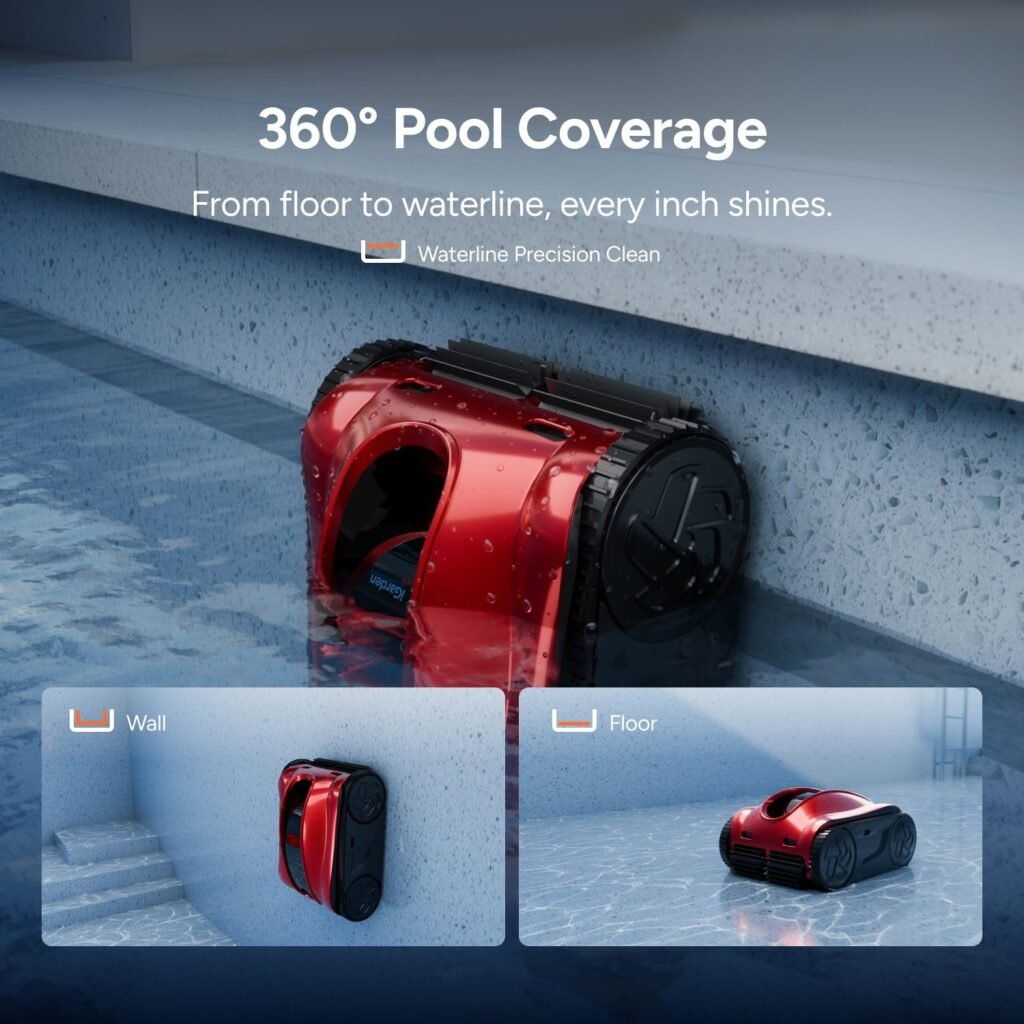
The transition from manual pool maintenance to automated systems represents one of the most significant quality-of-life upgrades available to homeowners. Traditional suction-side and pressure-side cleaners, while functional, depend on your pool’s existing pump system and require hose connections that limit movement and create drag. Robotic pool cleaner technology eliminates these constraints entirely by operating as self-contained units with onboard motors, filtration, and intelligent navigation systems. These machines map your pool’s geometry, calculate efficient cleaning paths, and adjust their behavior based on surface type and debris concentration—all without drawing power from your pool’s circulation system. The energy efficiency gains are substantial, as robotic units typically consume far less electricity than running a booster pump for hours. Smart navigation also means less wasted movement, which directly preserves battery life and extends effective runtime. Models equipped with gyroscopes and accelerometers track their position in real time, ensuring systematic coverage rather than random bouncing. This technological foundation sets the stage for units like the iGarden K Pro 150, which push runtime boundaries while maintaining thorough cleaning performance across floors, walls, and waterlines.
See also: What Drives Up Roof Repair Costs? Essential Insights For Homeowners
Why Cordless Models Are Ideal for Modern Homes
Cordless pool cleaners solve several persistent headaches that wired models create. Without a trailing cable, there’s nothing to snag on ladders, tangle around returns, or limit reach in irregularly shaped pools. Setup becomes remarkably simple—charge the unit, place it in the water, and press start. For homeowners with freeform, L-shaped, or kidney pools, cordless mobility ensures every contour receives attention. The primary concern with battery-powered models has always been whether they’ll last long enough to finish, which is exactly why runtime performance separates capable cordless cleaners from those that leave you frustrated mid-cycle.
Spotlight on the K Pro 150: A Benchmark in Pool Cleaning Runtime
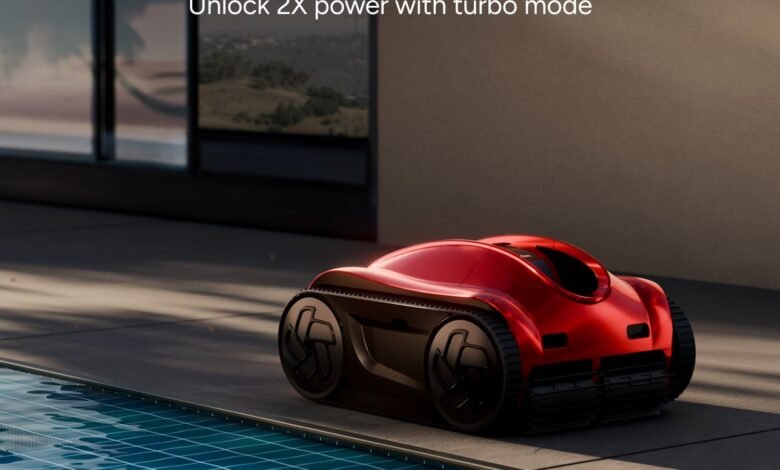
The K Pro 150 exemplifies what happens when engineers design a robotic pool cleaner around runtime as the primary performance objective. With an industry-leading operational duration of up to 150 minutes per charge, this model addresses the most common complaint among pool owners: cleaners that quit before the job is done. That extended runtime isn’t achieved by simply installing a larger battery—it results from a holistic approach combining advanced lithium-ion cell technology, energy-efficient brushless motors, and intelligent power management that throttles consumption based on real-time cleaning demands.
What distinguishes the K Pro 150 in daily use is its ability to handle the full spectrum of pool contamination within a single cycle. Fine particulates like sand and pollen get captured through its multi-layer filtration system, while larger debris such as leaves, twigs, and insects are swept into a generously sized collection basket. The dual scrubbing brushes rotate at variable speeds depending on surface resistance, applying more aggressive action to textured and concrete while gentling their approach on vinyl and fiberglass liners. This adaptive behavior prevents surface damage while ensuring thorough cleaning regardless of your pool’s construction material.
The onboard navigation system uses a combination of gyroscopic sensors and wall-detection algorithms to map pool geometry during the first few minutes of operation. Once the K Pro 150 establishes its spatial awareness, it plots an optimized path that minimizes redundant coverage—a critical factor in making every minute of battery life count toward actual cleaning rather than aimless wandering. Homeowners consistently report that the unit completes full floor-to-waterline cycles with battery capacity remaining, providing a comfortable margin even for larger residential pools.
Performance Across Various Pool Types and Debris
The K Pro 150 adapts seamlessly between in-ground and above-ground installations, adjusting its climbing power and suction intensity to match wall height and surface texture. In-ground pools with deep ends and complex contours benefit from the extended runtime, as the cleaner has sufficient operational time to navigate elevation changes methodically. For above-ground pools with flat bottoms, the unit typically finishes well ahead of its battery limit, making it equally practical for smaller setups. Heavy debris loads after storms don’t overwhelm the system either—the K Pro 150’s basket capacity and sustained suction mean you won’t find it stalled with a clogged intake halfway through a post-storm cleanup.
Step-by-Step Guide to Choosing Your Best Pool Cleaner
Step 1: Assessing Your Pool’s Specific Requirements
Before browsing models, take stock of what your pool actually demands from a cleaner. Measure your pool’s total surface area—including walls if you expect the unit to climb—since this directly determines the minimum pool cleaning runtime you’ll need. A 400-square-foot pool with simple rectangular geometry requires far less operational time than an 800-square-foot freeform design with steps, benches, and a deep end. Next, catalog your typical debris. Homes surrounded by mature trees face heavy leaf loads seasonally, while desert properties contend more with fine dust and sand. Coastal pools accumulate salt residue and wind-blown grit. Finally, establish how often you want the cleaner to run. Daily light maintenance sessions demand less runtime per cycle than weekly deep cleans where accumulation is heavier. Document these three factors—surface area, debris profile, and cleaning frequency—as your baseline for evaluating any model.
Step 2: Comparing Runtime and Features of Top Models
With your requirements defined, compare models systematically rather than relying on marketing claims alone. Look for independently verified runtime figures measured under load, not just idle operation. A cleaner like the iGarden K Pro 150 delivers up to 150 minutes under real cleaning conditions, which provides meaningful context when matched against your pool’s measured dimensions. Evaluate whether the cordless design supports your pool’s layout—irregular shapes benefit enormously from cable-free navigation. Examine smart features through the lens of runtime efficiency: does the unit’s path-planning algorithm reduce redundant passes, effectively stretching battery life into more productive cleaning? Check filtration capacity alongside runtime, because a clogged basket reduces suction and forces longer cycles. The best pool cleaner for your situation balances raw operational minutes with intelligent systems that make each minute count toward actual debris removal rather than wasted movement.
Step 3: Implementing and Maximizing Your Cleaner’s Efficiency
Once you’ve selected your cleaner, proper implementation ensures you extract maximum value from its pool cleaning runtime. Position the unit at the farthest point from the main drain during deployment, allowing it to work systematically toward areas with natural debris accumulation. Maintain the filter basket after every cycle—even partial blockages reduce efficiency and force longer runtimes on subsequent sessions. Store batteries according to manufacturer guidelines, keeping charge levels between 20 and 80 percent during off-season months to preserve cell longevity. Adjust your cleaning schedule seasonally: increase frequency during fall leaf drop and spring pollen season to prevent overwhelming the system with excessive single-session loads. If you notice the cleaner consistently finishing with significant battery remaining, consider switching to a more thorough cleaning mode that covers walls and waterline for comprehensive results without wasting available capacity.
Why Runtime Is the Key to Effortless Pool Maintenance
Runtime isn’t just a specification on a product sheet—it’s the difference between a pool cleaner that genuinely automates your maintenance routine and one that creates new frustrations. When a machine can complete full coverage of floors, walls, and waterlines in a single uninterrupted session, pool ownership becomes noticeably more enjoyable. The shift toward robotic, cordless models has made this level of convenience accessible to virtually any homeowner, regardless of pool shape or size. The K Pro 150 demonstrates what’s possible when engineering prioritizes sustained operational performance, delivering up to 150 minutes of active cleaning that handles everything from fine sediment to heavy post-storm debris without demanding your attention.
Choosing the best pool cleaner ultimately comes down to matching runtime capacity with your pool’s unique demands. Measure your surface area honestly, account for your local debris challenges, and select a model whose verified runtime exceeds your minimum requirements with room to spare. Invest a few minutes in proper deployment and regular filter maintenance, and you’ll extend both cleaning effectiveness and battery longevity across seasons. Take these insights, apply them to your specific situation, and reclaim the weekends you’ve been spending on pool maintenance for what actually matters to you.