Caller Details Search: 607221776, 0333 070 2722, 5102572527, 3217522222, 932532171, 916403376, 18663601448, 855-201-1910, 4158785240 & 757-347-3016

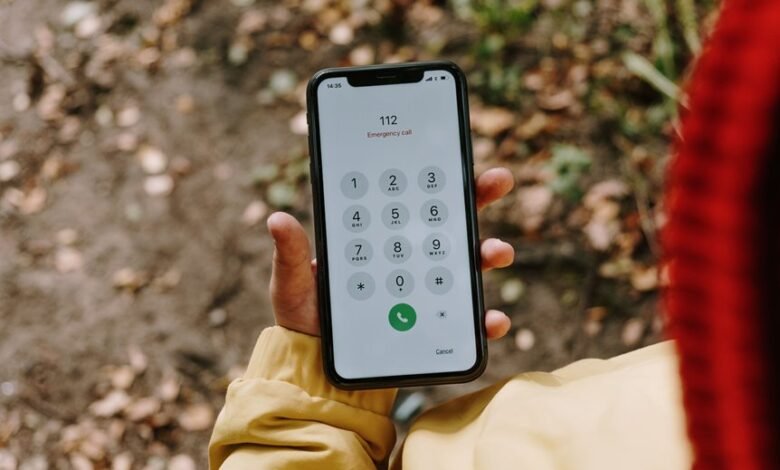
A caller details search for numbers like 607221776, 0333 070 2722, 5102572527, 3217522222, 932532171, 916403376, 18663601448, 855-201-1910, 4158785240, and 757-347-3016 entails tracing registrations, carriers, and provenance through multiple data sources. The method aims for objective validation, documented evidence, and transparent sources while balancing privacy and accountability. As patterns emerge, operators must weigh legitimacy, risk, and engagement options, then confront the gaps that prompt further scrutiny. The next step reveals how to verify and act accordingly.
What Is a Caller Details Search and Why It Matters
A caller details search is a systematic process of identifying and verifying the origins and context of a phone call by aggregating available data about the caller, including number history, registration details, and reported associations.
This method enables objective caller identification and supports legitimacy assessment, outlining potential risks, corroborating sources, and guiding informed responses in a manner respectful of privacy and freedom.
How to Verify Caller Identity and Assess Legitimacy
To verify caller identity and assess legitimacy, practitioners systematically corroborate the caller’s claimed identity against multiple data sources, including caller history, registration records, and reported associations.
The process emphasizes objective evidence, cross-checking inconsistencies, and documenting provenance. Findings support a transparent legitimacy assessment, enabling informed decisions while preserving privacy. Accurate caller identity and legitimacy assessment underpin trustworthy communication and risk-aware engagement.
Tools and Methods to Uncover Carrier, Location, and Metadata Clues
Tools and methods for uncovering carrier, location, and metadata clues encompass systematic data collection, linguistic and technological fingerprinting, and cross-referencing with authoritative registries. The approach emphasizes rigorous documentation, traceable sources, and reproducible steps, enabling objective assessment.
Investigation techniques integrate metadata analysis with carrier records, while privacy implications demand proportional, transparent use, limits, and accountability to prevent misuse or overreach.
Best Practices for Handling Unknown Numbers and Staying Safe
Unknown numbers pose opportunities and risks that warrant systematic evaluation. The analysis favors cautious engagement with unverified calls, recommending verification steps before interaction. Caller profiling should be restrained and privacy-respecting, avoiding assumptions. Practices include enabling call-blocking, documenting patterns, and leveraging verified contact lists. Consumers gain agency by maintaining skeptic awareness, using secure channels, and applying consistent response rules to safeguard data and personal autonomy.
Frequently Asked Questions
Can Caller Details Be Traced Across International Numbers?
International tracing is possible with cross-border cooperation, but inconsistencies in data standards and legal regimes complicate efforts. Privacy implications arise from data sharing, surveillance norms, and jurisdictional constraints, demanding careful, evidence-based evaluation for freedom-loving audiences.
What Are Legal Limits of Using Caller Data in Investigations?
Ironically, laws cap use of caller data: investigators may access where legally warranted, with privacy practices guiding safeguards, and data retention limits shaping retention spans; the framework varies, emphasizing proportionality, transparency, and independent oversight for freedom-loving audiences.
How Accurate Is Geolocation From a Caller ID?
Geolocation accuracy varies; CallerID reliability ranges from moderate to uncertain, influenced by spoofing and network practices. International tracing adds complexity. Employment verification and public call histories help, but data privacy limits constrain use and interpretation.
Can Background Checks Reveal Employment Verification via Numbers?
The evidence suggests employment verification cannot be reliably obtained solely from numbers via background checks; international tracing and call data legality complicate access, demanding robust policies. Employment verification requires explicit consent and verifiable documentation beyond call records.
Do Carriers Provide Historical Call Data to the Public?
No. Carriers do not publicly release historical call data. Migration logs and telemetry analytics are analyzed internally for network management and security; public access is restricted, with data sharing governed by privacy laws, regulatory requests, and consent mechanisms.
Conclusion
A caller details search blends precision with caution, like mapping a coastline amid fog. Evidence accumulates from histories, registrations, and associations, yet uncertainty lingers in redacted data and incomplete metadata. Juxtaposing transparency with privacy, the method rewards verifiable sources while acknowledging gaps that invite misassignment. Objective assessments rely on reproducible steps and cross-checks; subjective impressions are tempered by verification. Informed engagement, prudent blocking, and reliance on vetted lists offer safeguards, even as origins remain partially obscured.