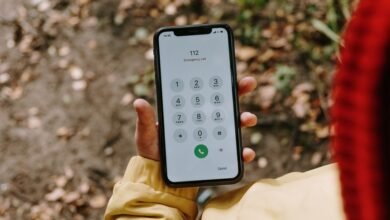
Caller Identity Lookup: 800-528-4800, 9053904024, 3053511035, 915578390, 900906645, 61730628364, 770-557-3001, 8003234459, 8176872188 & 941-216-5128

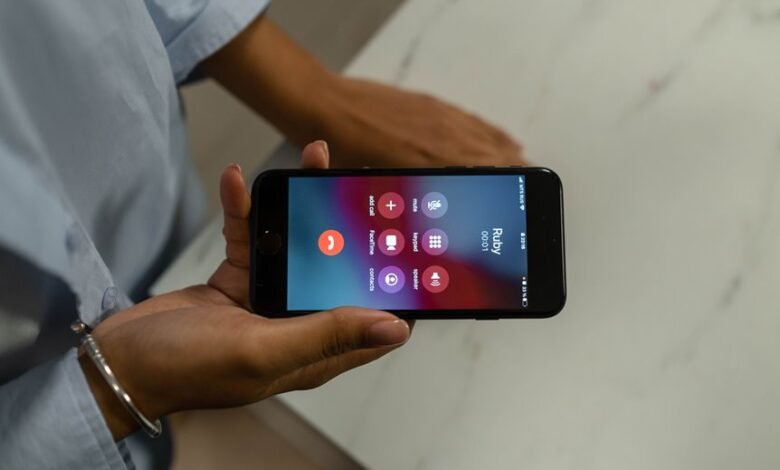
Caller identity lookup for the listed numbers examines originating sources and, where possible, accountable organizations. The process relies on reputable data, real-time verification, and corroborating metadata while applying privacy-preserving methods. Decisions to answer, block, or tag are guided by risk assessment,—with auditable, transparent workflows that respect user autonomy and regulatory constraints. These considerations shape multi-channel deployment strategies. The topic invites further scrutiny of data provenance, governance, and operational thresholds to determine when escalation or intervention is warranted.
What Caller Identity Lookup Is and Why It Matters
Caller identity lookup refers to the process of determining the source of a phone call by identifying the originating number and, when possible, the responsible party or organization.
This analysis examines Caller ID mechanics and operational transparency, while acknowledging privacy safeguards.
It emphasizes policy relevance, data provenance, and accountability, supporting informed, freedom-respecting decision-making without compromising legitimate confidentiality or user autonomy.
How to Verify Who’s Calling: Tools You Can Use
Determining the caller’s identity requires a structured approach to verification tools and data sources. Verification relies on reputable databases, real-time lookups, and call metadata to corroborate identity without overreach. Tools include caller screening protocols and privacy preserving methods, balancing transparency with consent. Policy-minded assessments emphasize accuracy, auditability, and minimal data exposure while preserving user freedom and enabling informed decisions.
When to Answer, Block, or Tag a Call Based on Risk
To govern responses to incoming calls, organizations should establish risk-based decision rules that dictate when to answer, block, or tag a call.
This framework relies on caller identity, structured risk assessment, and defined screening criteria.
Privacy considerations shape tolerances for data handling.
Decisions are documented, auditable, and transparent, balancing operational needs with user autonomy and freedom to challenge or appeal outcomes.
Building a Practical, Privacy-Safe Screening Process
A practical, privacy-safe screening process translates risk-based rules into operational steps that can be consistently applied across call flows.
The framework centers onCaller identity, structured risk assessment, and clearly defined decision points within the screening workflow.
Privacy safeguards are embedded, minimizing exposure while preserving transparency, accountability, and user autonomy.
Compliance-oriented design supports scalable, repeatable deployment across channels.
Frequently Asked Questions
How Accurate Is Caller ID in Spoofing Scenarios?
Caller ID spoofing accuracy varies; data sources and telecom practices limit reliability. Data source transparency is essential for evaluating risks, while policies should balance innovation with safeguards to mitigate misleading or illicit use of caller identity.
What Data Sources Power Identity Lookup Results?
Data sources include carrier metadata, SS7 databases, device fingerprints, user-contributed reports, and regulatory records; spoofing accuracy hinges on cross-checks and timeliness. Analysts emphasize transparency and caution in inference amid incomplete signals and evolving threats.
Can I Retrofit Existing Phone Systems for Screening?
Retrofit screening requires enterprise deployment assessments, policy alignment, and vendor-supported integration. The approach favors modular implementation, scalable controls, and transparent governance, ensuring compatibility with existing telephony ecosystems while maintaining user autonomy and privacy safeguards across environments.
How Do Regulations Affect Call Screening Practices?
Regulatory compliance shapes call screening practices by mandating transparency, consent, and data handling standards. Screening best practices align with risk-based assessments, ensuring privacy protections, auditable processes, and equitable treatment while preserving operational freedom and user autonomy.
What Are Cost Considerations for Enterprise Use?
Enterprise use incurs upfront licensing, ongoing maintenance, and scalable infrastructure costs. A 25% year-over-year efficiency gain offsets expenses for large organizations, though compliance and security investments remain essential. Cost considerations shape strategic deployment and governance decisions.
Conclusion
In sum, caller identity lookup must balance precision with privacy, stitching trustworthy data sources into a defensible, auditable process. When signals align—originating numbers, organizational ties, and real-time metadata—decisions to answer, block, or tag should follow documented risk thresholds. This framework functions like a calibrated loom: weaving transparency, provenance, and regulatory compliance into every thread, ensuring multi-channel deployments remain robust, privacy-preserving, and resilient to evolving threats.