Reverse Phone Search: 5128902059, 8921093788, 6266390332, 8045590600, 9513303771, 3029273338, (619) 949-9543, 7046876100, 8774150869 & 2565103542

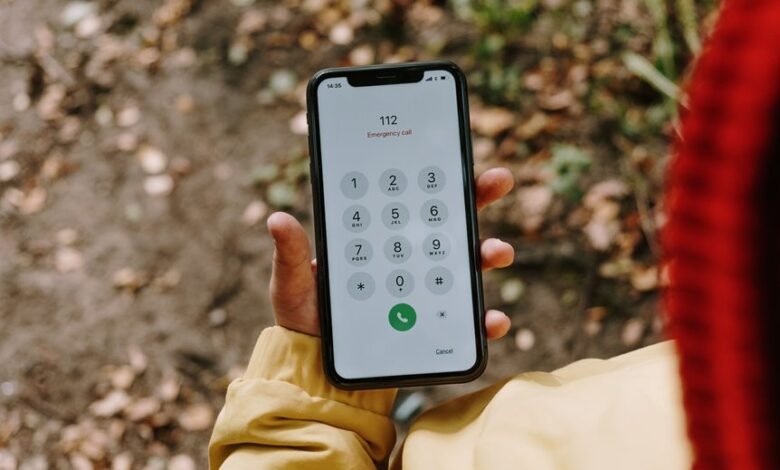
Reverse phone search involves tracing numbers like 5128902059 and others to identify potential callers using public and proprietary data sources. The practice relies on careful cross-checking and documentation to minimize privacy risks and avoid misidentification. Questions arise about accuracy, consent, and the handling of sensitive results. What patterns emerge from call histories, networks, and jurisdictions? The topic invites scrutiny of methods and safeguards, inviting further consideration of how to apply these traces responsibly.
What Is Reverse Phone Search and How It Works
A reverse phone search is a process that identifies a caller’s number and, when available, associated names and addresses by querying public and proprietary databases. It provides limited context about callers and reveals potential identities. Caution is essential: reverse lookup risks and data accuracy vary by source, frequency of updates, and regional rules. Results should be cross-verified before trust.
What You Can Learn From Public Call Traces
Public call traces offer a snapshot of recent interactions, revealing patterns such as frequency of contact, typical times of communication, and the networks a caller frequents.
From these traces, researchers infer behavioral rhythms, social reach, and potential associations.
Caution is warranted: privacy concerns, data accuracy, and context gaps can mislead interpretations and affect downstream decisions about individuals and communities.
Safety, Ethics, and Legal Considerations in Lookup Practices
The shift from examining public call traces to lookup practices requires careful attention to safety, ethical considerations, and legal boundaries. This domain demands strict adherence to privacy ethics and consent legality, ensuring user rights are respected and data minimization is practiced. Operators should implement transparent policies, robust safeguards, and accountability measures to prevent misuse and uphold trusted, voluntary participation. Freedom with responsibility remains essential.
Practical, Step-by-Step Ways to Use Reverse Lookups Effectively
Reverse lookups can be leveraged efficiently by following a disciplined, step-by-step workflow that prioritizes accuracy and privacy. The method emphasizes verified sources, cross-checking results, and documenting findings. Users should limit data exposure, respect consent, and avoid sharing sensitive details. Key practices include privacy concerns awareness, data minimization, and lockbox-style record keeping to preserve autonomy and clarity.
Frequently Asked Questions
Can I Reverse Search a Number for Business Hours?
Yes, a reverse search can reveal business hours, but with limitations. The inquiry will note reverse lookup limitations and business hours accuracy, cautioning that results may be outdated or inaccurate, requiring direct verification through the business.
Do Reverse Lookups Reveal Caller Intent or Emotions?
Reverse lookups do not reliably reveal caller intent or emotions; conclusions are speculative. They raise privacy implications and data leverage concerns, urging cautious use, transparency, and respect for individual autonomy while maintaining freedom to choose inquiry boundaries.
How Accurate Are Results From Mobile Numbers?
Mobile-number results are variably accurate, with notable gaps. They reflect data accuracy and timing, not guaranteed truth. Privacy implications arise from imperfect records, while users seek freedom to verify without overcollection or surveillance.
Can I Block Unwanted Reverse Lookup Inquiries?
Yes, blocking techniques exist to curb reverse lookup inquiries, though privacy concerns remain. The detached perspective notes that users can implement call and data restrictions, report abuse, and regularly review permissions to preserve freedom while reducing exposure.
Are There Privacy Laws Restricting Number Searches by Individuals?
Yes, privacy regulations restrict such searches; individuals may limit data exposure. Data minimization principles require collectors to gather only what is necessary. The stance favors caution and personal freedom while respecting lawful access and consent.
Conclusion
Reverse phone search can illuminate who is behind a number and why they called, by cross-referencing public and proprietary sources. Yet it must be used with caution: respect privacy, obtain consent where possible, and document steps to ensure accuracy. While patterns and networks offer context, avoid sensitive disclosures and minimize data collection. In practice, verify results, corroborate across databases, and maintain transparent policies to prevent misuse—like a compass guiding through a foggy landscape. Use responsibly, and stay within legal and ethical bounds.