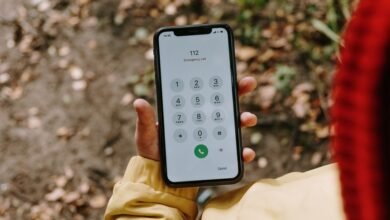
Unknown Caller Search: 5197418344, 9472221080, 6475989617, 424-307-8371, 8001237357, 7026802163, 833-311-0847, 9512683776, 18882254398 & 8183194000


Unknown Caller Search uses signals from a set of numbers to gauge risk without attributing intent to individuals. The approach is methodical: verify provenance, weigh context, and cross-reference sources. Decisions to answer, block, or report hinge on risk signals and privacy safeguards, with cross-device screening and user autonomy maintained. The topic invites scrutiny of practical governance, yet the next steps and their implications remain to be clarified. The stakes suggest a closer look at how such workflows function in real-world settings.
What Unknown Caller Searches Reveal About Risk
Unknown caller searches can serve as a proxy for underlying risk signals in a population. The analysis treats search patterns as observable indicators, linking frequency and variation to risk assessment outcomes.
Consistent signals may reflect broad vulnerability, while anomalies suggest localized factors. The approach maintains objectivity, avoiding speculation, and emphasizes reproducibility; results inform risk management without asserting causal certainty about individual behavior or intent.
How to Identify Unknown Numbers: Practical Steps
To identify unknown numbers effectively, practitioners begin with a structured, repeatable workflow that translates observed search signals into actionable steps. The process prioritizes verification, cross-referencing sources, and documenting provenance to reduce uncertainty. Unknown numbers are assessed for legitimacy, while call risk is weighed against need and context. Systematic checks support informed decisions, preserving autonomy without compromising safety or privacy.
When to Answer, Block, or Report Unknown Calls
Determining whether to answer, block, or report unknown calls requires a clear, decision-driven framework grounded in risk assessment and context. An unknown caller should be evaluated for legitimacy through caller identification cues and fraud prevention signals.
When uncertainty persists, implement call blocking, spam filtering, and privacy protection, and follow reporting procedures to strengthen phone security and reduce nuisance calls.
Tools, Apps, and Carrier Tactics for Unknown Call Management
Tools, apps, and carrier tactics offer a layered approach to managing unknown calls by combining detection, filtering, and verification across devices and networks.
They enable cross-platform call screening, spam labeling, and threat assessment with minimal disruption.
Practitioners emphasize privacy, user autonomy, and transparent data practices.
Note: unrelated topic and off topic considerations may arise when integrating third-party services and policy updates.
Frequently Asked Questions
Can Unknown Numbers Be Traced to a Physical Address?
Unknown numbers can sometimes be traced to a physical address, but traceability ethics and legal constraints vary. The process depends on law-enforcement access, carrier cooperation, and data privacy protections, requiring careful, evidence-based handling of Unknown numbers.
Do Voip Numbers Differ in Risk From Mobile Numbers?
VoIP numbers pose different risks than mobile numbers, though both can be exploited; evidence suggests VoIP may face higher interception and spoofing potential, while mobile risk often centers on SIM swap and malware-enabled harm.
Are Spam Calls Exempt From Legal Reporting Requirements?
Spam calls are not universally exempt; reporting requirements vary by jurisdiction. The assessment considers caller privacy and public safety. In many systems, spam reporting exists, but legal obligations differ, balancing transparency with caller privacy safeguards.
How Do Call-Blocking Features Affect Message Delivery?
Blocking features reduce message delivery for unknown or blocked callers, but preserve essential alerts; effectiveness varies. Call blocking effectiveness depends on filtering accuracy, while message delivery impact includes potential delays, false positives, and time pattern analysis for optimization.
Can Unknown Callers Be Distinguished by Time-Of-Day Patterns?
Yes, time-based filtering and call pattern analysis can help distinguish unknown callers by typical daily or weekly rhythms, though accuracy varies. Systematic evaluation, data privacy considerations, and transparent thresholds support evidence-based, freedom-respecting decision-making.
Conclusion
In the quiet harbor of the digital realm, a lighthouse named Unknown Caller scans the fog. Each numbered beacon—some familiar, some phantom—emits signals of risk. The keeper weighs provenance, context, and sources, charting a cautious course: answer only when clarity glows; block when danger rises; report when shadows persist. Across devices and networks, the watch remains transparent, user-first, and privacy-minded, steering communities toward safer communication through disciplined, evidence-based vigilance.