Introduction to Power Backup Systems
In today’s digital world, electricity is more than just a convenience—it’s a necessity. From home computers and Wi-Fi routers to hospitals and data centers, nearly everything depends on a stable power supply. However, power outages, voltage fluctuations, and sudden surges are still common. This is where power backup systems step in to protect devices and data.
Among all backup solutions, one stands out for its speed and reliability: the UPS. Understanding what is a ups can help individuals and businesses protect equipment, prevent data loss, and maintain uninterrupted operations during unexpected power problems.
What Is a UPS and Why It Matters
Simple Definition of a UPS
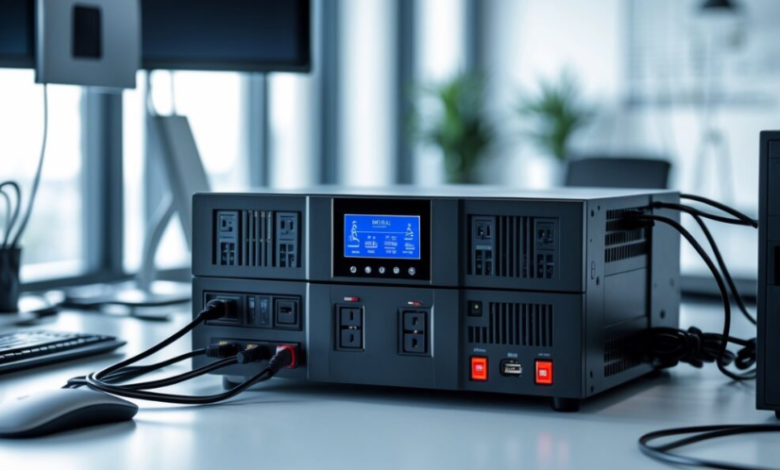
A UPS, or Uninterruptible Power Supply, is an electrical device that provides instant backup power to connected equipment when the main power source fails. Unlike generators, which take time to start, a UPS delivers power immediately—within milliseconds.
In simple terms, if you’ve ever wondered what is a ups, it is a safeguard that keeps your devices running long enough to save work, shut down systems safely, or bridge the gap until another power source takes over.
See also: How To Choose The Right Home Remodeling Contractor: Key Questions To Ask
The Purpose of an Uninterruptible Power Supply
The main purpose of a UPS is not just backup power, but power protection. It guards against:
- Sudden power outages
- Voltage drops (brownouts)
- Voltage spikes and surges
- Electrical noise and instability
This protection is essential for sensitive electronics like computers, servers, and medical devices.
How a UPS Works
Power Flow During Normal Operation
When utility power is available and stable, a UPS allows electricity to flow directly to connected devices. At the same time, it keeps its internal battery charged and monitors the quality of incoming power.
Some advanced UPS systems also regulate voltage, ensuring consistent output even if the input fluctuates.
What Happens During a Power Failure
The moment a power outage or severe voltage issue is detected, the UPS switches to battery power almost instantly. This transition happens so fast that connected devices don’t even notice the change.
The battery power is converted into usable AC electricity through an inverter, allowing devices to continue operating without interruption.
Main Components of a UPS
Battery
The battery is the heart of a UPS. It stores electrical energy and supplies power during outages. Common battery types include sealed lead-acid and lithium-ion batteries.
Inverter
The inverter converts stored DC power from the battery into AC power that electronic devices can use.
Rectifier
The rectifier converts incoming AC power into DC power to charge the battery and supply internal circuits.
Static Bypass
This component allows power to bypass the UPS during maintenance or internal failure, ensuring continuous power flow.
Types of UPS Systems
Standby (Offline) UPS
This is the most basic and affordable type. It remains idle during normal conditions and switches to battery power only when a problem occurs. It is commonly used for personal computers and home electronics.
Line-Interactive UPS
A line-interactive UPS offers better protection by adjusting voltage fluctuations without switching to battery power. It is ideal for small businesses and network equipment.
Online (Double Conversion) UPS
This is the most advanced type. It continuously converts incoming power, providing complete isolation from electrical disturbances. Online UPS systems are widely used in data centers, hospitals, and industrial environments.
Common Uses of UPS Systems
Home and Office Use
In homes and offices, UPS systems protect computers, routers, and smart devices. They allow users to save work and shut down systems safely during outages.
Data Centers and Servers
Servers must run 24/7. Even a short outage can cause data corruption or service downtime. UPS systems ensure uninterrupted operation and protect valuable information.
Medical and Industrial Equipment
In hospitals and factories, power loss can be dangerous. UPS systems support life-saving medical devices and critical industrial processes.
Benefits of Using a UPS
Using a UPS provides several key advantages:
- Prevents data loss
- Protects expensive equipment
- Improves system reliability
- Ensures business continuity
- Reduces downtime and repair costs
These benefits make UPS systems an essential investment rather than an optional accessory.
UPS vs Generator: Key Differences
| Feature | UPS | Generator |
|---|---|---|
| Response Time | Instant | Delayed |
| Power Duration | Short-term | Long-term |
| Noise | Silent | Noisy |
| Maintenance | Low | High |
| Best Use | Power protection | Extended outages |
Many organizations use both systems together for complete power security.
How to Choose the Right UPS
Load Capacity and Runtime
Calculate the total power (watts or VA) of all devices you plan to connect. Choose a UPS with sufficient capacity and desired runtime.
Battery Type and Maintenance
Lithium-ion batteries last longer and require less maintenance, while lead-acid batteries are more affordable.
For trusted standards and safety guidelines, you can refer to information from the U.S. Department of Energy:
https://www.energy.gov
Frequently Asked Questions (FAQs)
1. What is a UPS used for?
A UPS is used to provide instant backup power and protect electronic devices from power disturbances.
2. How long can a UPS provide power?
Runtime depends on battery size and load, ranging from a few minutes to several hours.
3. Is a UPS better than a generator?
They serve different purposes. A UPS provides immediate protection, while a generator supplies long-term power.
4. Can a UPS damage devices?
No. When properly sized and maintained, a UPS protects devices from electrical damage.
5. Do all UPS systems use batteries?
Yes, batteries are the primary energy storage method in UPS systems.
6. Is a UPS necessary for home use?
Yes, especially if you use computers, work from home, or experience frequent power issues.
Conclusion
Understanding what is a ups is essential in a world where uninterrupted power is critical. A UPS is more than just a backup—it is a protective shield for your electronics, data, and operations. Whether used at home, in offices, or in large-scale facilities, a UPS ensures stability, safety, and peace of mind during unexpected power problems.
By choosing the right UPS system and maintaining it properly, you can safeguard your equipment and stay powered when it matters most.