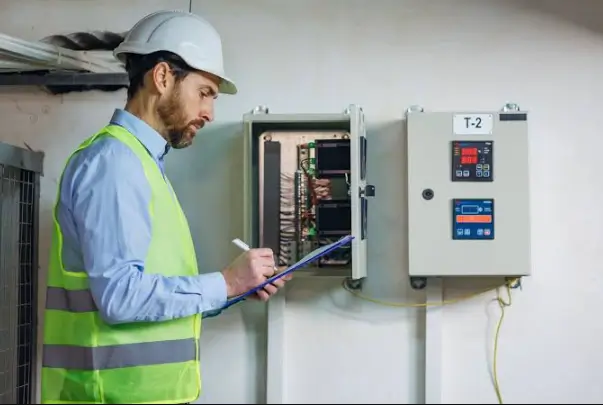
An electrical panel is an essential component of every residential electrical system. It distributes electricity to different areas of a property and helps protect household wiring against excessive electrical current. Maintaining this equipment in good condition is important for preventing unexpected power interruptions, improving electrical reliability, and reducing potential safety hazards.
Regular inspections and preventive maintenance allow homeowners to identify potential problems before they develop into serious electrical issues. Understanding the importance of proper maintenance can also help extend the service life of residential electrical equipment.
Why Regular Electrical Panel Inspections Are Important
Residential electrical systems operate continuously to support household activities such as cooking, heating, cooling, lighting, and entertainment.
Over time, electrical components may deteriorate due to regular operation, environmental exposure, or increasing electricity consumption.
Periodic professional inspections help identify developing problems and determine whether electrical equipment remains suitable for continued use.
Some important benefits of regular inspections include:
- Early identification of damaged electrical components.
- Improved protection against electrical hazards.
- Reduced risk of unexpected power interruptions.
- Better reliability of household electrical circuits.
- Identification of potential overheating problems.
- Improved long-term maintenance planning.
A qualified electrician can assess the condition of the installation and recommend appropriate repairs when necessary.
Important Components That Require Professional Inspection
Several components inside residential electrical distribution equipment require proper evaluation to maintain safe operation.
Main Circuit Breaker
The main circuit breaker controls electricity supplied to the home’s branch circuits.
A professional inspection can help determine whether the breaker remains suitable for the electrical installation and shows any signs of deterioration.
Individual Circuit Breakers
Individual circuit breakers provide protection for specific electrical circuits.
Damaged, incompatible, or malfunctioning breakers can compromise the intended protection of household wiring.
Electrical Connections
Proper electrical connections are essential for reliable current distribution.
Loose or deteriorating connections may generate excessive heat and contribute to electrical equipment damage.
Grounding and Neutral Connections
Correct grounding and neutral arrangements are important for residential electrical safety.
Qualified electricians can evaluate these connections according to applicable installation requirements.
Common Warning Signs That Indicate Electrical Problems
Electrical problems sometimes produce noticeable warning signs before significant equipment failure occurs.
Homeowners should pay attention to unusual changes in electrical performance.
Frequently Tripping Circuit Breakers
A breaker that repeatedly trips may indicate excessive electrical demand, faulty appliances, or damaged wiring.
The underlying issue should be investigated instead of repeatedly resetting the protective device.
Burning Smells Near Electrical Equipment
A burning odor can indicate overheating, deteriorating insulation, or damaged electrical connections.
This condition requires urgent professional attention because it may represent a serious fire hazard.
Flickering or Dimming Lights
Persistent flickering may result from loose connections, voltage fluctuations, or other electrical faults.
Professional troubleshooting can help identify the actual source of the problem.
Rust or Moisture Damage
Water entering electrical equipment can contribute to corrosion and affect internal components.
Visible rust, condensation, or water stains should be investigated by a qualified professional.
Unusual Electrical Sounds
Buzzing, popping, or crackling sounds coming from distribution equipment can indicate potentially dangerous electrical conditions.
Homeowners should avoid touching or opening equipment displaying these warning signs.
Factors That Affect the Lifespan of Electrical Equipment
The service life of residential electrical infrastructure depends on several factors.
Quality of Installation
Correct installation helps ensure that electrical components operate according to their intended specifications.
Improper wiring or incompatible equipment can contribute to premature deterioration and safety concerns.
Environmental Conditions
Excessive humidity, water exposure, and other environmental factors can damage electrical components over time.
Protecting equipment from moisture and physical damage supports long-term reliability.
Household Electrical Demand
Modern homes often use numerous high-powered appliances simultaneously.
Increasing electricity consumption may place additional demands on electrical infrastructure originally designed for lower loads.
Maintenance Practices
Regular professional evaluations can help identify developing problems before they cause significant damage.
Appropriate maintenance also helps homeowners plan necessary electrical improvements.
When Should Homeowners Consider Replacing Existing Equipment?
Electrical equipment does not necessarily require replacement simply because it reaches a particular age. Its condition, compatibility, safety, and suitability for the property’s electrical requirements should be considered.
In certain situations, an electrical panel upgrade may be recommended when the existing installation cannot safely accommodate calculated electrical demand, contains obsolete components, or shows significant signs of deterioration.
A licensed electrician can inspect the equipment, evaluate household electrical requirements, and recommend suitable solutions.
Professional assessment helps homeowners determine whether repairs, individual component replacement, or more extensive modifications are necessary.
Essential Preventive Maintenance Practices
Homeowners can support electrical safety by following several basic preventive maintenance practices.
Keep the Electrical Distribution Area Clear
Avoid placing furniture, storage boxes, or other household materials directly in front of electrical equipment.
Maintaining appropriate working clearance allows qualified professionals to access the installation safely.
Monitor Visible Equipment Conditions
Homeowners can occasionally examine the exterior of electrical enclosures for signs of damage, rust, moisture, or unusual discoloration.
Internal electrical components should never be inspected or handled without appropriate professional qualifications.
Avoid Overloading Electrical Circuits
Connecting multiple high-power appliances to an inadequately sized circuit can create excessive current.
Appliances should be connected to appropriately rated circuits according to their electrical requirements.
Maintain Accurate Circuit Labels
Properly labeled circuit breakers make it easier to identify which rooms and appliances receive electricity from specific circuits.
Clear identification also supports efficient professional maintenance and troubleshooting.
Arrange Professional Electrical Assessments
Qualified electricians can identify hidden electrical faults and determine whether the existing installation remains suitable for household requirements.
Professional assessments are particularly valuable for older properties and homes experiencing recurring electrical problems.
Why Homeowners Should Avoid DIY Electrical Repairs
Electrical distribution equipment contains potentially dangerous components that may remain energized even after the main breaker is switched off.
Attempting internal repairs without appropriate knowledge and training can expose homeowners to serious electric shock, burns, and other hazards.
Licensed electricians have the technical expertise and specialized equipment necessary to inspect electrical systems safely.
Professional services also help ensure that repairs and replacement components comply with relevant manufacturer requirements and applicable electrical codes.
Long-Term Benefits of Proper Electrical Maintenance
Preventive maintenance supports the safe and reliable operation of residential electrical equipment.
Regular inspections can help identify potential problems, reduce unexpected interruptions, and support the dependable operation of household appliances.
Maintaining suitable electrical infrastructure also makes it easier to plan future renovations and additional electricity requirements.
By addressing electrical concerns promptly, homeowners can reduce avoidable equipment damage and maintain a more dependable living environment.
Conclusion
An electrical panel requires appropriate care and professional attention to support safe electricity distribution throughout a residential property. Regular inspections, early identification of warning signs, and responsible electricity usage are important for maintaining reliable electrical performance.
Homeowners should prioritize preventive maintenance, avoid unauthorized electrical modifications, and seek professional assistance whenever unusual electrical conditions appear.
By following these practices, households can improve electrical safety, protect valuable equipment, and maintain a dependable power supply for years to come.